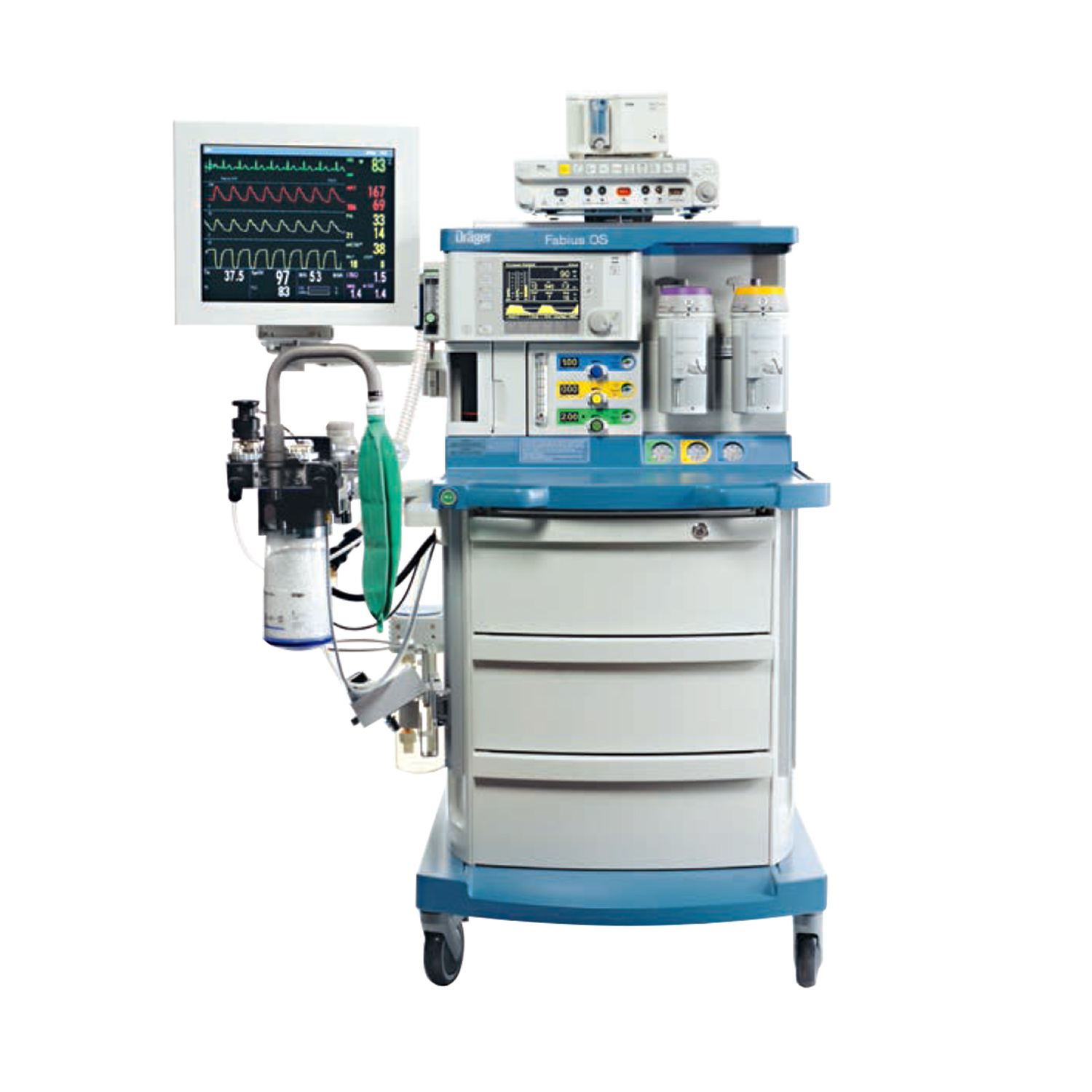
• Delivers controlled anesthetic gases with precision.
• Integrated monitoring supports patient safety.
• User-friendly interface simplifies operation.
• Adjustable flow controls ensure accurate gas delivery.
• Compact design fits modern operating theatres.
• Durable construction supports continuous clinical use.
• Easy-to-read display provides clear information.
• Compatible with standard anesthesia accessories.
• Easy-to-clean surface supports infection control.
• Ideal for hospitals, operating theatres, surgical centers, and healthcare facilities
KSh 1,500,000.00
An anesthesia machine is a medical device designed to deliver and monitor anesthetic gases during surgical procedures. It helps maintain safe and controlled anesthesia throughout an operation.
Widely used in hospitals, operating theatres, surgical centers, and healthcare facilities, the machine supports general anesthesia for a variety of surgical procedures. It enables anesthetists to manage patient care with precision.
Integrated monitoring controls allow accurate delivery of anesthetic agents, while the user-friendly interface simplifies operation. Its durable construction and compact design ensure dependable performance in demanding clinical environments.
Built for modern surgical practice, the Anesthesia Machine combines precision, safety, and reliability. It is an essential piece of equipment for effective anesthesia management.
 English
 Arabic